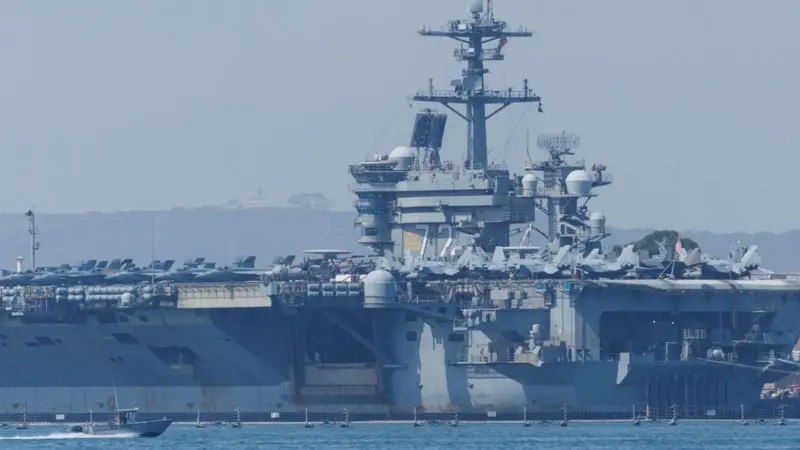
The fragile hopes for a lasting peace in the Middle East have been shattered as President Donald Trump announced an immediate U.S. Navy blockade in the Strait of Hormuz. The move follows the collapse of high-stakes negotiations between the United States and Iran in Islamabad, Pakistan.
The blockade, aimed at preventing Tehran from collecting transit fees and controlling global energy flow, marks a dangerous escalation that puts the region's delicate two-week ceasefire on the brink of total failure.
The Breakdown of the Islamabad Summit
Despite mediators’ efforts to extend the dialogue, the peace talks officially ended without a comprehensive deal. President Trump took to social media and later spoke with Fox News to provide context on the failure of the summit.
- The Nuclear Deadlock: Trump revealed that while "the meeting went well" and agreements were reached on most points, the deal ultimately failed over the "critical and decisive" issue of Iran’s nuclear program.
- Allegations of Deception: The President accused Iran of "cheating" and using its control over the vital energy corridor to extort the international community.
- Economic Warfare: "We will not allow Iran to get money by selling oil for the people they love," Trump told Fox News. "It either stops completely or nothing happens. That’s the way it is."
U.S. Navy to Intercept "Fee-Paying" Vessels
The President has issued a direct order to the U.S. Navy to intercept and block any maritime vessels found paying transit fees to the Iranian government for passage through the Strait of Hormuz. Trump warned that the Navy is already "hunting down" ships that comply with Tehran’s toll demands.
Since the conflict between the U.S.-Israel alliance and Iran began, Tehran has asserted absolute control over the Strait—a waterway responsible for one-fifth of the world’s daily oil and natural gas consumption. This control has already caused global traffic to plummet, placing immense pressure on the world economy and driving energy prices to record highs.
Rising Tensions and International Criticism
The blockade has sparked immediate backlash both domestically and internationally. According to Al Jazeera, U.S. Democratic lawmakers have slammed the President’s decision, fearing it will lead to a direct military confrontation. Similar concerns have been voiced by members of the Gulf Cooperation Council (GCC), who fear for regional stability.
In response to the U.S. moves, Tehran has officially denied the Navy's accusations and issued a stern warning. Iranian officials stated they would provide a "strong response" to any foreign military vessels attempting to interfere with their sovereign waters or maritime operations.
A World on Edge
International mediators are desperately pleading for both sides to prioritize diplomacy over a return to active combat. However, with the ceasefire currently in jeopardy and the U.S. Navy moving to enforce a blockade in the world's most sensitive chokepoint, the thin line between "bullets and talks" has never been more blurred. As the global economy braces for a supply shock, the next 48 hours will likely determine if the region descends back into full-scale war.
Ameteyohannes Nega
Lead Viral Reporter at TrendStorm. Monitoring the pulse of the internet 24/7 to bring you the fastest breaking stories in tech, viral culture, and world news.